Subgroup
Paper Boxes
Paper, corrugated, and plastic box structures for retail, shipping, display, and product presentation.
Plastic, laminated, and aluminum tubes with cap and closure options for squeezable packaging formats.
Round paper tube boxes, composite tubes, cylinder boxes, telescopic tubes, and paper canisters.
Clear blister packs, clamshells, blister trays, inserts, and thermoformed trays for formed plastic packaging.
Molded pulp trays, inserts, boxes, dry press, wet press, thermoformed pulp, and bagasse pulp options.
Paperboard, cardboard, plastic, foam, EVA, dividers, and separators for product protection and presentation.
Counter displays, floor displays, pallet displays, PDQ displays, trays, shippers, and retail merchandising units.
Paper bags, plastic bags, stand up pouches, flat pouches, ziplock pouches, and sachets.
Boxes
Printed paperboard cartons supplied flat for lightweight retail packaging.

Subgroup
Paper Boxes
MOQ note
MOQ depends on structure, size, material, printing, and quantity.
Sample lead time
Sample timing depends on structure and finish.
Production lead time
Production timing is confirmed after sample and artwork approval.
Applications
Printed paperboard cartons supplied flat for lightweight retail packaging.
Related products

Boxes
Set-up paper boxes with grey board structure for sturdy presentation packaging.
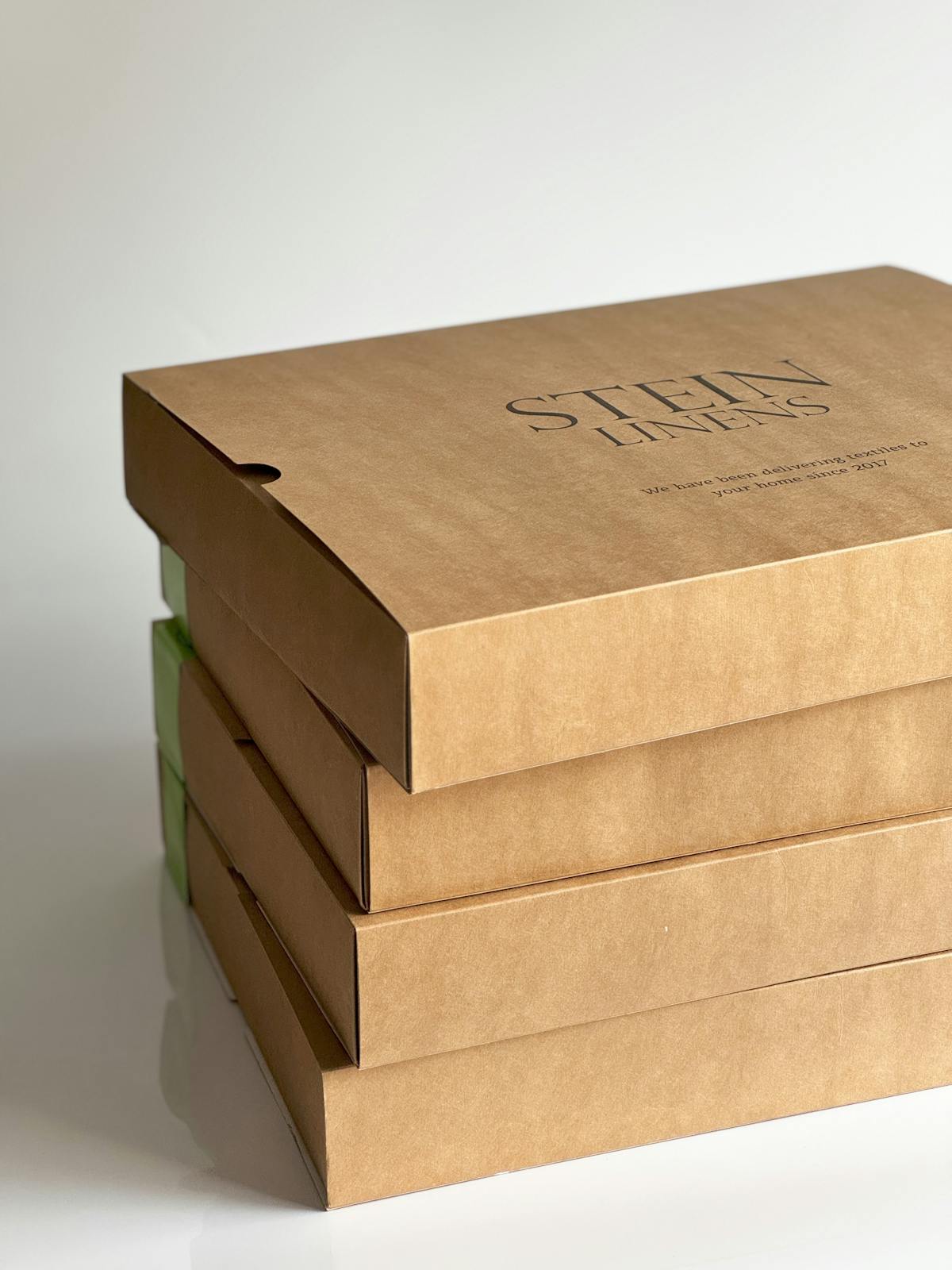
Boxes
Die cut corrugated boxes for shipping, subscription, and unboxing packaging.
Boxes
Sliding tray and sleeve box structures for premium product reveals.
Quote inquiry
Share size, quantity, material direction, artwork status, and destination. The inquiry is stored in PostgreSQL for the VPS workflow.